
How to Prevent Window Condensation and Fog in Winter Months
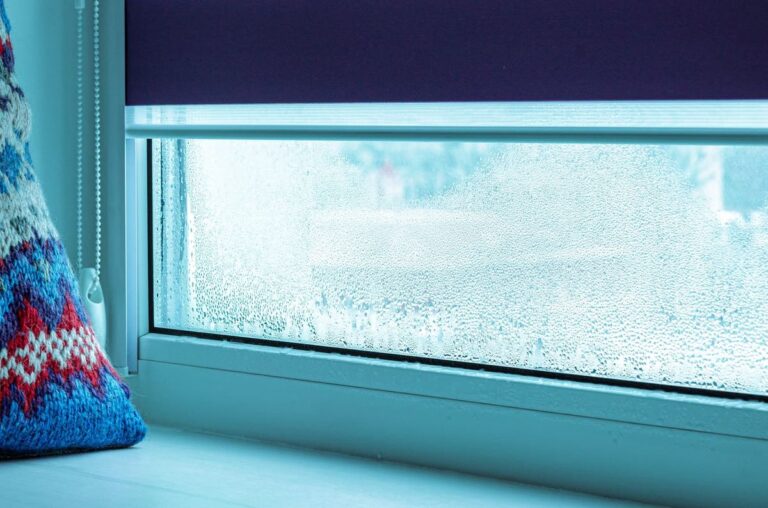
How to Prevent Window Condensation and Fog in Winter Months
Heating your home in winter makes everything cozy, but it may also fog up your glass. Moisture collects on the surface, and in some cases fog develops between the panes themselves. Knowing how to prevent condensation on windows does more than clear up your view. It helps you tell the difference between everyday humidity, which you can manage yourself for free, and a failed glass seal, which no amount of wiping will fix. That difference matters for your budget; one is a quick habit change, the other is a sign a window is costing you money every month. Here’s what causes window condensation and what to do about it.
What Causes Window Condensation?
Why do windows fog up in the first place? Condensation forms when warm, moist air meets a surface cold enough to cool it below its dew point. Think of a soda can on a July afternoon or your shower walls. In winter, the pattern flips: cold outdoor air chills the glass, and moisture from the warm air inside your home condenses against it. If you see thin drips or beads of water on your windows and you know there’s no leak, condensation is almost certainly at work.
Sometimes it shows up as a frosty-looking film instead of visible drops. You’ll notice foggy windows first wherever insulation is weakest. And if the seal on a double-pane window has failed, moisture gets trapped between the panes, which is why condensation inside windows won’t wipe away from either side.
Issues Window Condensation May Cause
A fogged-up view is annoying on its own, but persistent moisture may point to bigger issues. Watch for mold and mildew, which form wherever dampness lingers; once condensation builds along frames or gets inside the glass, dark spots often follow. Watch for water damage, too. Glass shrugs off moisture, but wood trim, seals and nearby paint don’t, so you may see peeling, blistering or corrosion around the window.
Then there’s the energy bill. Growing condensation can be a sign your windows aren’t insulating well, allowing unwanted heat transfer that can make it harder to keep your home comfortable. In Texas, that can mean your HVAC system has to work harder to maintain a comfortable temperature year-round.
How to Get Rid of Condensation in Winter
A few daily habits may help keep window condensation at bay. Run a dehumidifier if your home holds excess humidity; it eases the moisture pressing against your glass, though it’s less useful once winter air already feels dry. Add ventilation with ceiling fans and bathroom or kitchen exhaust fans to keep humid air from settling near windows. On one of our milder Texas winter days, cracking the windows for twenty minutes lets built-up moisture escape. You can also nudge the thermostat up, since warmer indoor glass gives moisture less reason to condense.
Be honest with yourself about the limits, though. These fixes only address surface moisture, and they turn into daily chores fast. If fog sits between the panes, the seal has failed, and replacement of the glass unit or the window is the real solution. Newer windows with insulated Low-E glass resist fog and moisture buildup, and their stronger insulation may help lower both your winter heating bills and the summer cooling bills that hit DFW and West Texas homeowners hardest.
Ready for Clearer, More Efficient Windows
We’re here when you’re ready, whether you’re in Dallas, Fort Worth, Plano, Denton, Lubbock, Midland, Odessa, Abilene, Amarillo or San Angelo. Schedule a free, no-pressure in-home consultation to find the right window or door for your home, or visit your local Pella Showroom to compare energy-efficient glass options in person. Call 682-205-2662 or contact us online.
Getting new doors is exciting, but there’s a lot to know! Get in touch with Pella Windows and Doors of Dallas/Fort Worth today and learn more about how a new front door can improve your home and the quality of your life.